
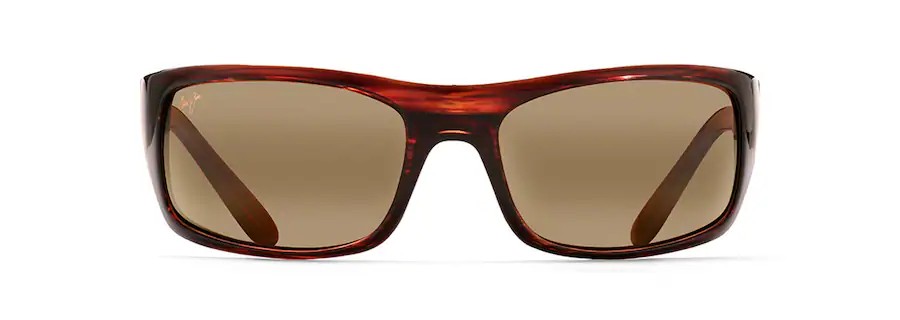
Water changes the way sunlight behaves. Reflections from the surface can create intense glare from several angles at once, which is why ordinary dark lenses do not always feel sufficient near the sea, a lake or a bright marina. Wraparound sunglasses approach the problem through both lens technology and frame geometry. They reduce stray light around the edges, increase coverage and help maintain a stable field of view during long periods outdoors. Maui Jim provides several examples of this approach through polarized wrap and subtly curved rectangular designs.
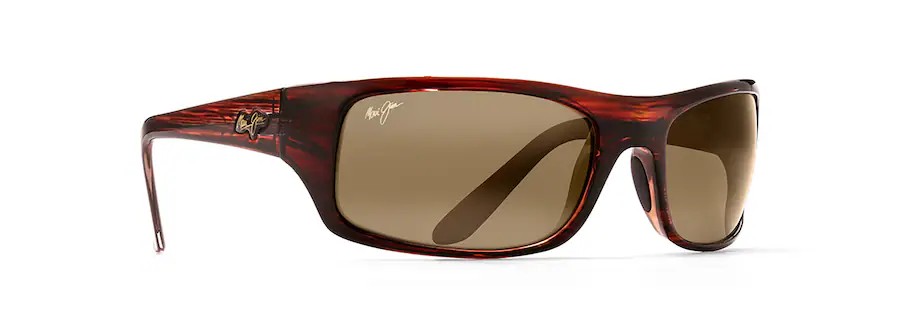
Glare Near Water Is a Coverage Problem as Well as a Lens Problem
Bright conditions on land usually involve direct overhead light plus reflections from roads, buildings and pale surfaces. Around water, the horizontal surface creates another powerful source of reflected light. That reflection can reach the eyes from below and from the sides, especially when the sun is low. A frame that follows the face more closely can therefore provide a meaningful advantage because it leaves fewer open areas for stray light to enter.
Maui Jim uses PolarizedPlus2 technology across its sunglasses range to address glare and harmful UV while maintaining colour and clarity. Polarization is particularly relevant around water because it can reduce the harsh reflected light that makes surface detail difficult to see. The effect is not simply making everything darker. A good polarized lens manages glare while allowing useful visual information to remain clear.
Frame shape adds the second layer. A wraparound design curves toward the temples and can reduce the amount of light reaching the eye from the side. That can be helpful when fishing, boating, walking a coastline or spending hours on an exposed deck. The closer geometry also tends to feel more secure during movement because the frame surrounds the face rather than sitting as a flat front panel.
Lens Material Matters During Long Outdoor Sessions
Optical quality becomes more noticeable when sunglasses stay on for several hours. Distortion, uneven clarity or excessive weight can become tiring over a long day. Maui Jim offers SuperThin Glass on models such as Peahi and Onshore. The brand describes this material as providing its crispest optics while being thinner and lighter than standard glass, with strong scratch and solvent resistance.
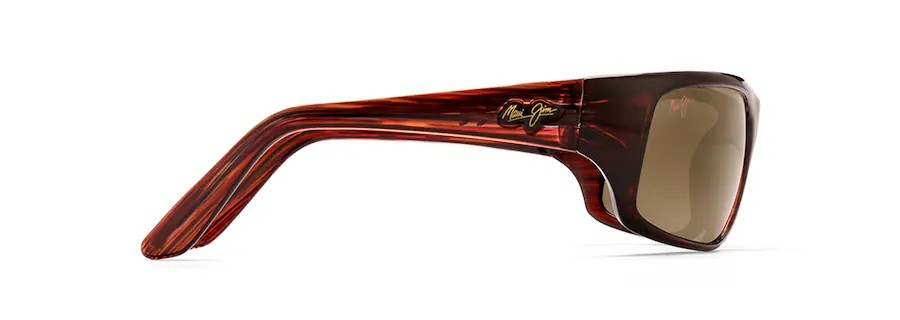
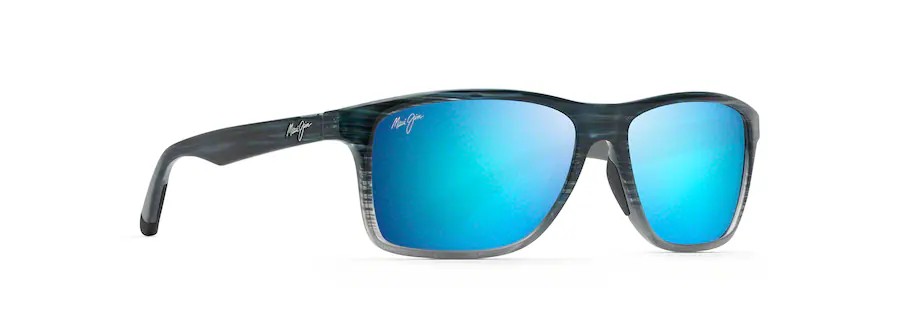
Peahi combines a wrap shape with HCL Bronze lenses, a warm tint intended for varied conditions. That pairing makes sense for environments where light can shift between open sun, cloud cover and shaded areas near structures. Onshore takes a rectangular approach with subtle wrap, a larger frame and Blue Hawaii lenses. The blue mirror coating provides a distinctive appearance while retaining the underlying emphasis on colour enhancement and clarity.
The right material is still a balance rather than a universal answer. Glass can deliver excellent optical quality and scratch resistance, while other materials may prioritise reduced weight or impact performance. The intended activity should decide which qualities matter most. A person spending calm hours near water may value maximum optical crispness, while faster sports may make low weight and impact resistance more important.
Match Coverage to the Activity
Not every waterside day requires the same frame. A highly wrapped model can be useful when exposure is constant, while a slightly flatter frame may feel more natural for mixed settings that include restaurants, driving and walking through town. The most practical choice comes from identifying where glare enters and how much movement is involved.
Useful checks include
- The frame should provide enough side coverage that bright reflections do not constantly enter around the temples.
- The bridge and temples should remain secure without requiring excessive pressure during several hours of wear.
- Lens colour should suit the typical light conditions rather than being chosen only for appearance.
- The frame size should keep the eyes well covered while avoiding contact with cheeks or eyelashes during normal movement.
Maui Jim designs such as Peahi and Onshore show two different ways to reach that goal. One uses a more obvious wrap associated with active water use, while the other combines broad rectangular coverage with a subtler curve. The comparison is useful because it shows that protection around high glare does not depend on one identical frame shape.
Think Beyond the Brightest Hour of the Day
Sunglasses used around water need to remain comfortable when light changes. Morning glare can feel different from midday brightness, and late-afternoon reflections may arrive at a lower angle. A versatile lens colour can help the same pair remain useful through those transitions. Bronze tones often support changing conditions, while mirrored options can provide a different visual character without abandoning polarization.
Care also influences long-term clarity. Salt spray, sunscreen and fine sand can accumulate quickly around beaches and boats. Lenses should be rinsed or cleaned with appropriate materials before wiping so abrasive particles are not dragged across the surface. Frames benefit from the same routine because hinges and contact points can collect residue that affects movement or comfort over time.
The main advantage of wraparound sunglasses is therefore not a single technical feature. It is the combination of polarization, broad coverage and a frame that manages light from more directions. Maui Jim applies those ideas in several silhouettes, allowing coverage to be matched to different face sizes and activities. Around water, where reflected light is persistent and multidirectional, that combination can make long outdoor periods feel noticeably more controlled.
