
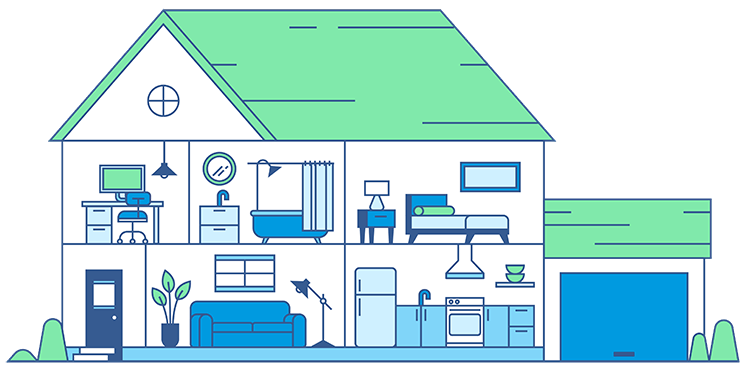
Good decisions begin with an inventory rather than a product page. A household should first describe what happens on an ordinary weekday, who uses the service and which moments create the heaviest demand. For home internet speed, that means looking at streaming, video calls, gaming and cloud backups. Cox can be considered within that practical framework, because the useful question is not what sounds most impressive on paper but what supports the routine with the least friction. Starting with behaviour also prevents people from paying for features that rarely affect their day.
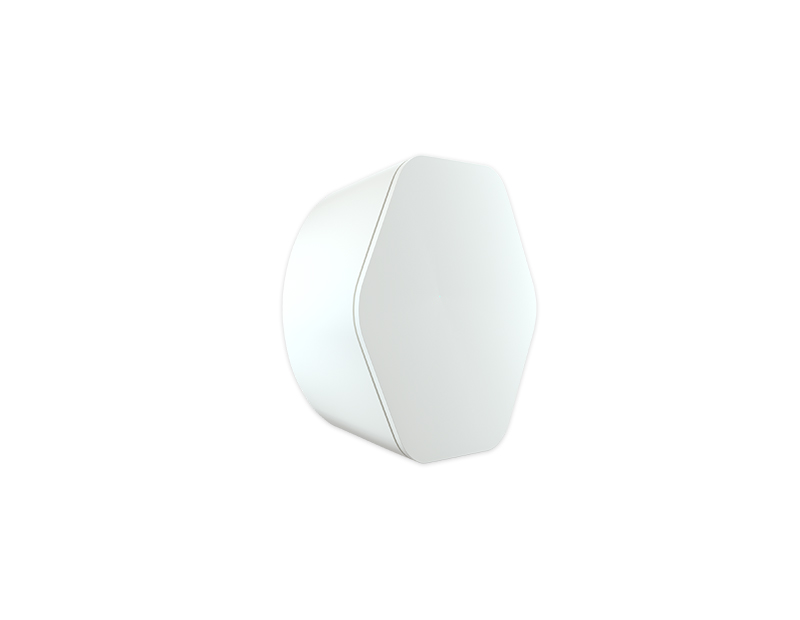
Start With the People and Devices
The next step is to separate essential needs from occasional wants. devices used at the same time can create very different requirements depending on how often they happen together. A family may be comfortable most of the day and then experience a short period when several demanding tasks overlap. Instead of treating that peak as the only measure, it helps to record when it happens and how disruptive it actually is. That gives the comparison a realistic baseline and makes trade-offs easier to understand.
When comparing options, Cox should be judged against the same checklist as every alternative. The important points are not only headline specifications but also the way equipment, support and setup interact with the home. wired connections and Wi-Fi placement often matters as much as a larger number on a plan description. A technically strong service can still feel disappointing if the surrounding setup is poorly matched to the space, while a well-planned system can make ordinary performance feel much more consistent.
Separate Everyday Use From Peak Demand
A short checklist keeps the research disciplined. It should focus on actions that can be verified before money is spent and on details that will still matter after the novelty of a new purchase has disappeared. The household can then compare fewer options in greater depth instead of opening dozens of tabs. That approach is especially useful when technical terms make products look more different than they are in practice.
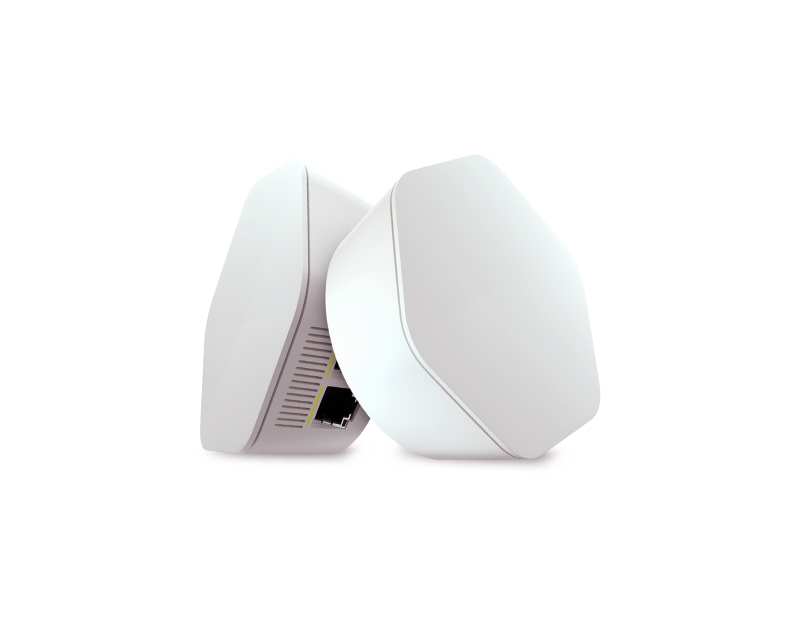
- Write down the two or three outcomes that matter most for home internet speed.
- Confirm wired connections and Wi-Fi placement before treating an option as suitable.
- Include the effect of wired connections and Wi-Fi placement in the final comparison.
- Save the exact specification, booking details or compatibility information for later reference.
Physical conditions deserve attention because they are often invisible during online comparison. wired connections and Wi-Fi placement can change the result without changing the underlying service or product. A useful plan therefore includes where equipment will sit, how people will reach it and whether existing furniture or building materials create obstacles. Cox becomes easier to evaluate once those conditions are included, because the decision is based on the complete environment rather than one isolated specification.
Look Beyond the Advertised Speed
It is also worth thinking about maintenance. Technology, household routines and the number of connected devices tend to change over time. A setup that is barely adequate on the first day may become inconvenient later, while an unnecessarily complex setup can be harder to troubleshoot. Keeping the design understandable gives the household more control. Notes about passwords, connections, compatible accessories and placement can save time when something needs to be adjusted months later.
Cost should be viewed across the period of use rather than at checkout alone. Extras, replacement accessories and upgrades may be relevant depending on the category. Cox can fit into the comparison when the buyer considers what is included and what would need to be added separately. The cheapest starting point is not automatically the lowest-cost solution if it requires several fixes, and the premium option is not automatically better if its extra capability is never used.
Build a Setup That Can Grow
The strongest final choice is usually the one that can be explained in one sentence. In this case, the target is a plan that fits normal household demand rather than an occasional maximum. That sentence acts as a filter when two products or plans look equally attractive. It keeps the buyer focused on the original problem and reduces the influence of decorative features, temporary excitement or specifications that have little relevance to daily life.
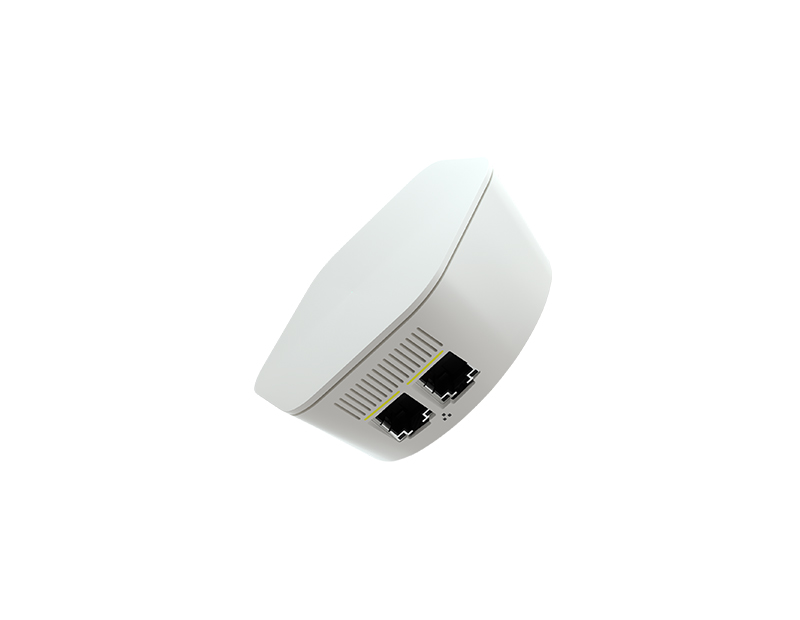
As a final discipline, the user can take a short break before committing and then reread the requirements from the beginning. Distance from the browsing process often makes unnecessary extras easier to spot. It also gives practical details such as dimensions, timings and compatibility a chance to stand out again. The best decision normally feels coherent rather than exciting: every part has a reason, every cost has been considered and the chosen option can be used without inventing new workarounds.
Once the shortlist has been reduced, Cox can be reviewed one last time alongside the practical checklist. The buyer should confirm compatibility, expected use and any installation or delivery requirements before completing the decision. A measured process may feel slower than choosing from a headline feature, yet it usually produces a setup that is easier to live with. The result is not simply a purchase; it is a system chosen around real habits and realistic expectations.
