
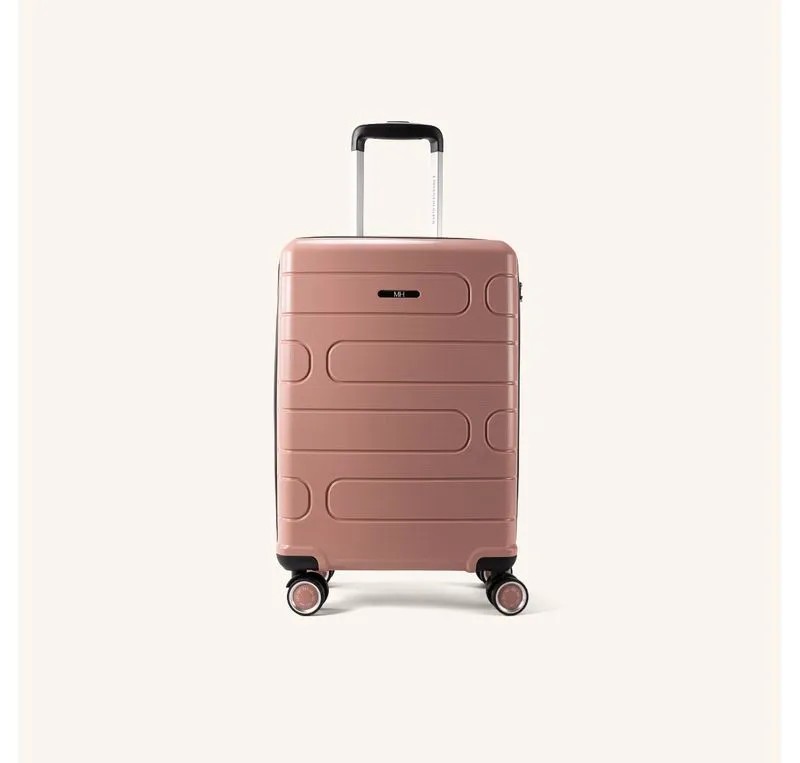
Short trips often become harder than they need to be because the luggage is not organized around the journey. A carry-on case may be the correct size yet still feel inefficient if clothing shifts, small items have no fixed place and airport essentials are buried beneath everything else. A better setup starts with the case itself, then assigns clear zones for clothes, toiletries, technology and documents so the traveller can move through the trip without repeatedly repacking. Mario Hernández offers a useful example of how a polished cabin case can support that more deliberate packing system.
Choose the Case Around Movement Rather Than Maximum Capacity
It is tempting to treat every available litre as space that should be filled. In practice, a slightly less crowded case is easier to close, easier to lift and easier to reorganize after the first night away. A short trip usually benefits from a rigid carry-on that protects contents and maintains a predictable shape, especially when the case is moved through airports, station platforms and hotel corridors.
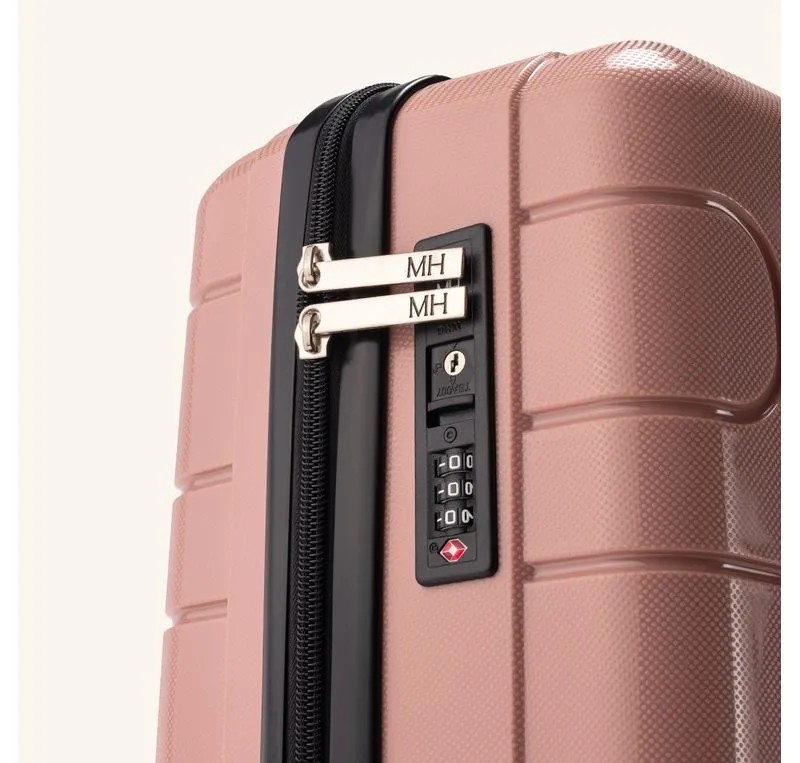
Mario Hernández offers travel pieces such as the Colon cabin suitcase, which uses rigid polypropylene and is designed around durability, movement and internal organization. The cabin model includes an integrated TSA lock, 360-degree wheels and separate interior areas with holding straps. Those features address different stages of travel rather than simply adding storage volume.
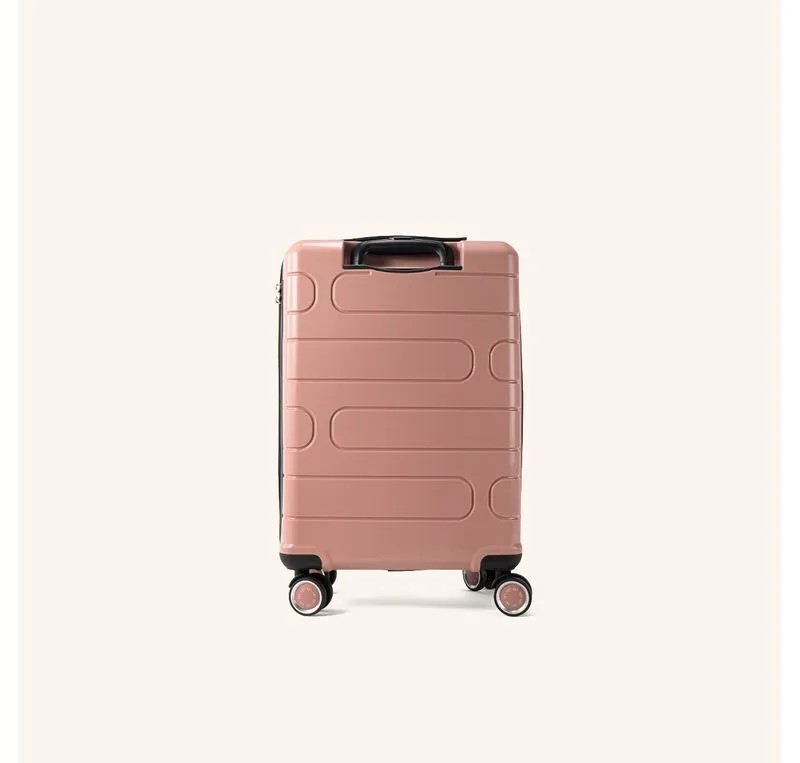
Wheel quality matters because the suitcase spends much of a journey in motion. Four multidirectional wheels can reduce the need to drag the case at an angle, which is useful in queues and narrow aisles. A stable handle and balanced case shape also make movement easier. These details may seem secondary when browsing online, but they become more important after several transfers in one day.
Divide the Interior Into Clear Zones
A well-organized case can be understood at a glance. Clothing belongs in one area, shoes or less flexible objects in another and small accessories in pockets or pouches. Separate sections prevent every item from mixing together each time the lid opens. Holding straps are particularly useful because they keep folded clothing from expanding into the rest of the case during transit.
Mario Hernández describes the Colon cabin case as having divided interior sections and securing straps beneath a water-repellent polyester lining. That type of layout supports a simple packing system in which heavier items sit close to the wheel end while softer clothing fills the remaining space. The arrangement can help the case remain balanced when standing upright.
Packing cubes are optional rather than essential. They work well for travellers who prefer strong categories, but folded stacks can be equally effective when the interior already has useful divisions. The aim is to avoid creating more containers than the trip needs. Every pouch should have a clear function, otherwise organization becomes another form of clutter.
Keep Airport Essentials Outside the Main Packing Zone
Documents, a phone charger, medication and any items needed during transit should not be placed under several layers of clothing. A personal item or small organizer can hold those essentials while the main carry-on remains closed. That reduces the number of times the suitcase has to be opened in public spaces and lowers the chance of leaving something behind during a rushed security or boarding process.
A short-trip packing system can follow four simple rules
- Clothing should be limited to complete outfits that can be mixed rather than packed as unrelated individual pieces.
- Shoes should be kept to the minimum practical number and placed where their weight supports the case rather than unbalancing it.
- Liquids, medication and travel documents should remain accessible in a separate personal item when airport procedures require quick access.
- A small amount of empty space should be preserved for repacking, laundry separation or items acquired during the trip.
Mario Hernández travel luggage also uses an integrated TSA-style lock on the Colon case, which keeps the closure system contained within the suitcase rather than relying on a loose external padlock. Security features do not replace normal attention to valuables, but a built-in system can make the packing process cleaner and reduce the number of separate accessories that need to be managed.
Make the Return Journey as Easy as the Departure
A packing system should work twice. The outward journey is usually organized because there is time to prepare, while the return can become rushed after several days of use. Keeping one section available for worn clothing makes the second packing session faster. Small accessories should return to the same pouch or pocket each time so the traveller does not have to reconstruct the original layout from memory.
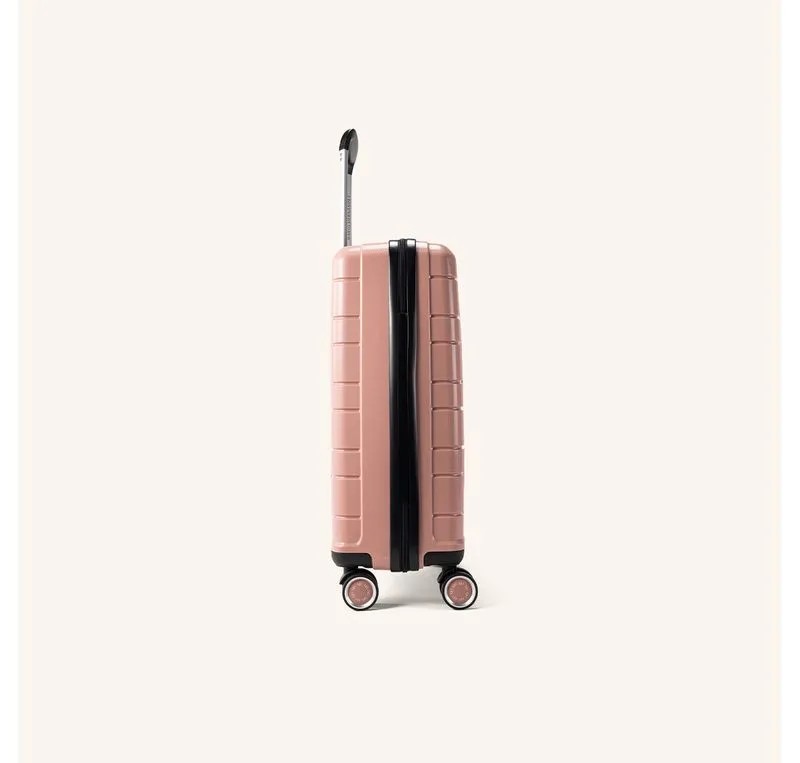
The suitcase also benefits from basic care after the trip. Wheels can collect dust and debris, while the shell may pick up marks from luggage racks and pavements. A gentle wipe and quick inspection before storage helps prevent dirt from being carried into closets or transferred to other luggage. The interior should be completely dry before the case is closed for long-term storage.
Organized carry-on travel is less about squeezing in more and more about reducing unnecessary decisions. A rigid case with smooth wheels, secure closure and divided interiors creates a strong foundation, while a simple packing plan keeps each category easy to find. Mario Hernández combines those functional elements with the polished finish associated with its leather and travel collections. For short trips, that balance can make the luggage feel like part of the travel system rather than a container that has to be fought at every stop.
