
A leather handbag earns its place when it handles more than one kind of day. It may need to carry everyday essentials during the week, look polished enough for meetings and still feel relaxed on a weekend lunch or city walk. That versatility depends on proportion, structure, strap options and interior organization as much as it depends on colour. A bag that balances those details can reduce the need to change accessories every time the schedule changes.
Begin With What the Bag Has to Carry
The most useful handbag is sized around real contents. A workday may require a phone, wallet, keys, small cosmetic pouch, sunglasses, charger and perhaps a compact notebook. A weekend version of the same routine may remove the notebook but add a bottle of water or a small purchase. The bag should hold those items without becoming so large that everything disappears into one deep compartment.
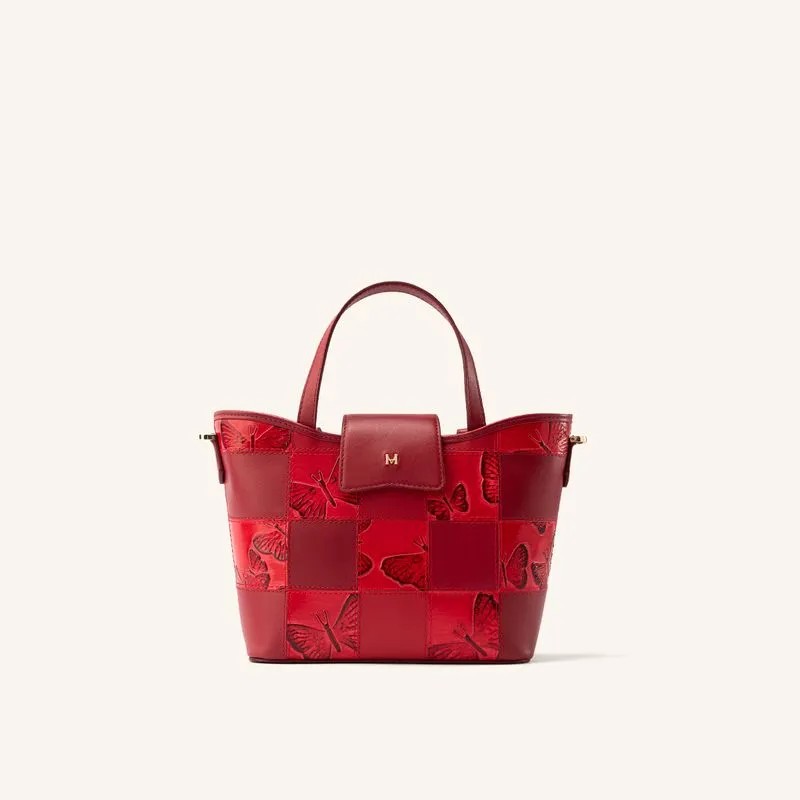
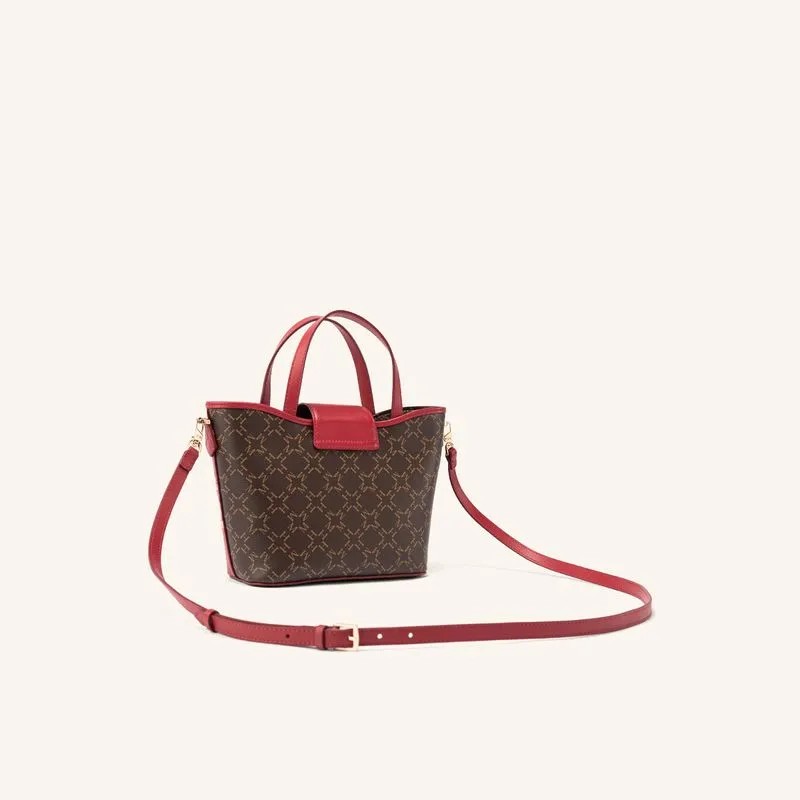
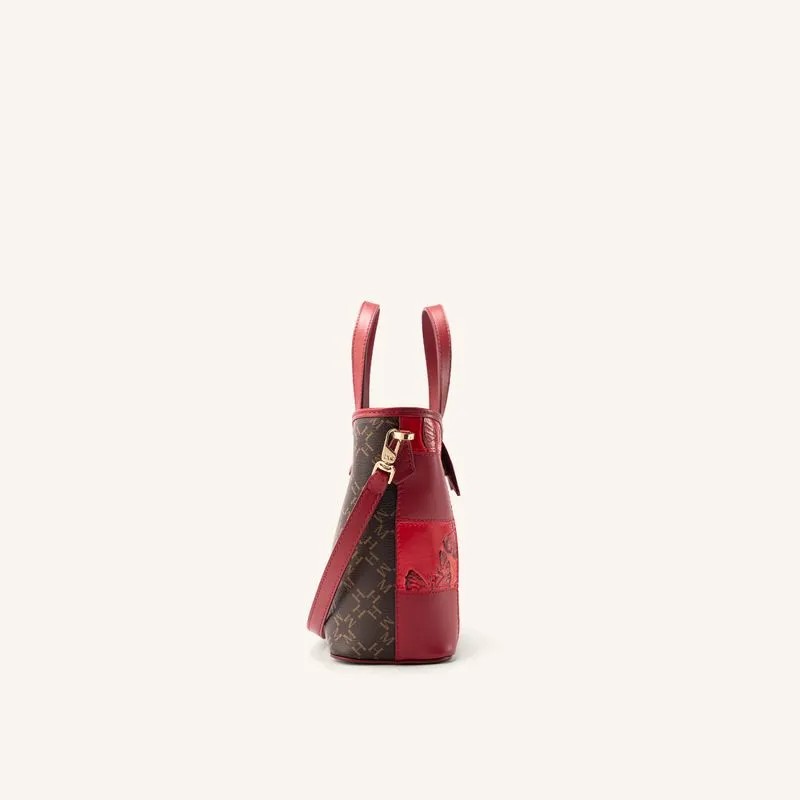
Mario Hernández has a long history in premium leather goods and offers bags that combine craftsmanship with practical construction. A structured tote can be particularly adaptable because the open shape provides useful capacity while defined sides help the bag retain a polished appearance. The Tote Alas Mini, for example, uses cow leather, a firm structure and both hand handles and an adjustable long strap, giving the same bag more than one carrying mode.
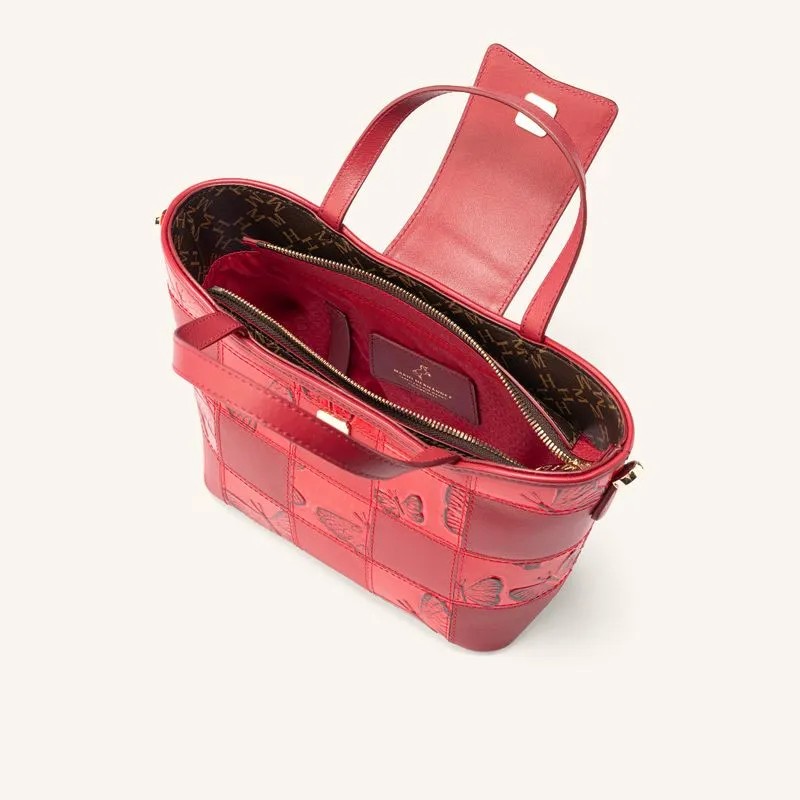
Internal organization should be considered before external decoration. One main compartment can work well when smaller objects are grouped in pouches, while extra pockets help when quick access matters. Hardware also affects everyday use. Closures should feel secure without turning every phone check into a complicated process. A bag used frequently benefits from straightforward mechanisms that can be operated naturally with one hand.
Structure Changes How Formal the Bag Feels
Soft leather bags tend to feel relaxed because they follow the body and change shape as they fill. Firm totes create a more defined outline that can sit comfortably beside tailored trousers, jackets or dresses. Neither is more versatile in every case. The best choice depends on how formal the wearer’s typical week is and how much structure already exists in the clothing.
Mario Hernández uses leather finishes and hardware to give structured bags visual character without relying on excessive ornament. A patchwork treatment, a distinctive colour or winged tote construction can provide enough interest to make the bag feel special while the underlying shape remains practical. That balance is useful when the same accessory needs to move between professional and casual settings.
Colour has a similar effect. Black and deep brown are easy to repeat through a wardrobe, but warm reds, cognac, cream or muted green can be almost as versatile when they coordinate with frequently worn shoes and outerwear. The goal is not to match the bag perfectly with every outfit. It is to choose a tone that belongs naturally beside the wardrobe’s dominant colours.
Look for Features That Expand the Bag’s Range
Versatility often comes from small construction details rather than from a dramatic design. A top handle can create a more polished look, while an adjustable shoulder strap allows hands-free use during commuting or weekend errands. A stable base helps the bag sit upright at a desk or restaurant instead of collapsing around its contents.
Practical details worth checking include
- A removable or adjustable long strap can shift the bag from hand carry to shoulder or crossbody use when the day becomes more active.
- A firm structure can protect contents and maintain a composed outline when the bag is placed on the floor or a table.
- Metal hardware should feel secure and proportionate to the bag rather than adding unnecessary weight.
- A lining that can tolerate everyday contact with cosmetics, pens and small spills makes routine maintenance easier.
Mario Hernández specifies a water-resistant coated polyester lining on the Tote Alas Mini, alongside light-gold hardware and cow leather construction. Those details illustrate why material choices inside the bag matter almost as much as the exterior. A beautiful leather surface may attract attention first, but the interior is what supports repeated daily use.
Care Determines Whether Versatility Lasts
Leather changes with use, which is part of its appeal, but careless storage can create avoidable damage. Bags should be kept away from prolonged moisture and excessive heat, and heavy contents should not be left inside for long periods because they can distort the shape. When the bag is resting, light stuffing can help maintain structure without stretching the leather.
Cleaning should remain gentle. Mario Hernández recommends light care methods rather than aggressive detergents or solvents on leather products. A soft, lightly damp cloth can deal with routine surface dust, while difficult marks may require specialist attention depending on the leather finish. Hardware and lining should also be checked periodically so small issues are noticed before they affect everyday use.
A versatile handbag is ultimately a piece of working design. It has to carry the right amount, sit comfortably, complement different clothes and remain easy to maintain. Mario Hernández brings craftsmanship and practical options together in structured leather designs that can move across different parts of the week. When capacity, shape, strap options and care are considered together, one well-chosen bag can cover far more situations than several narrowly styled alternatives.
