
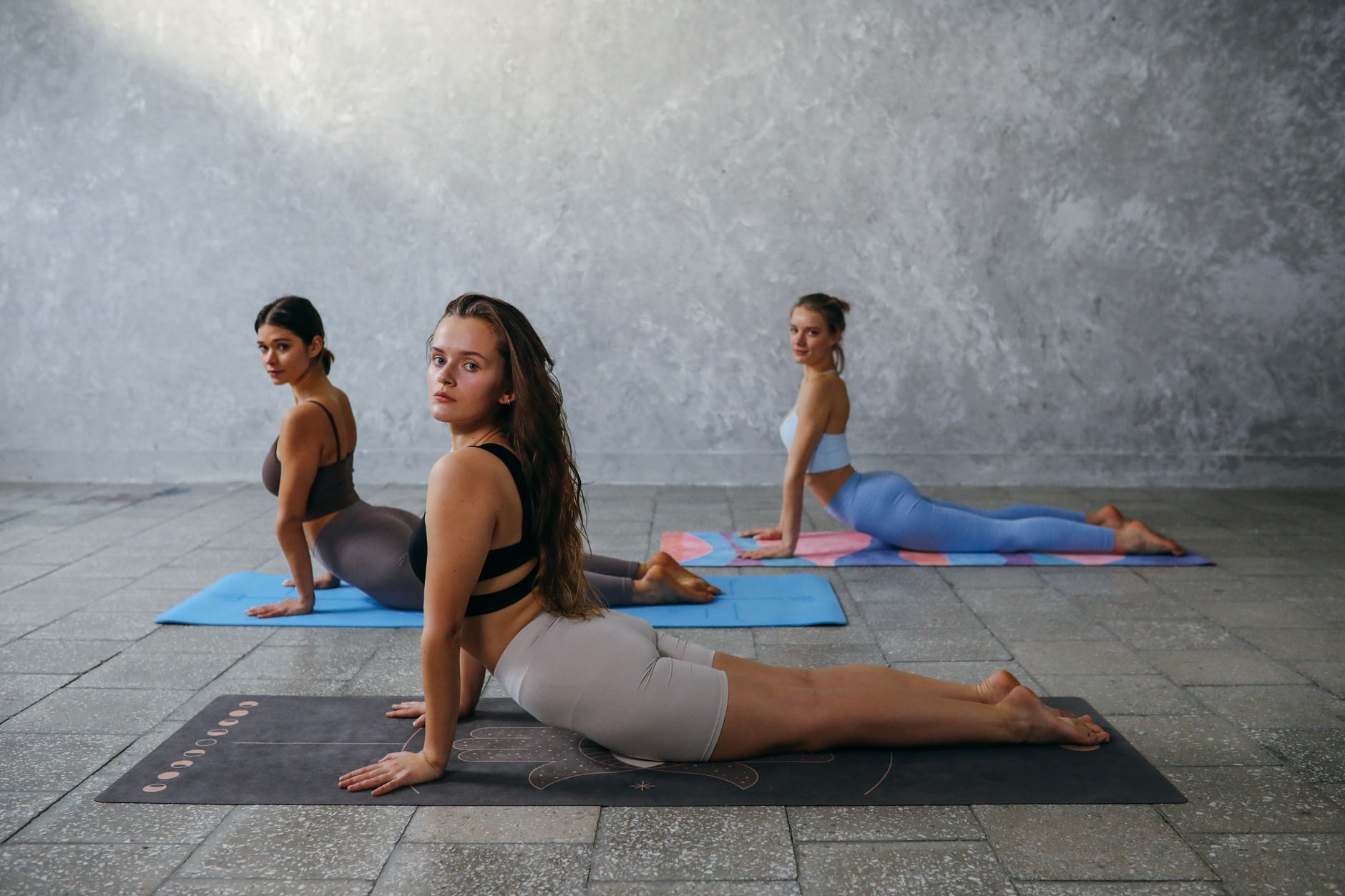
A quality yoga mat is much more than an accessory—it’s the foundation upon which your entire practice is built. Whether you’re beginning your yoga journey or have been practicing for years, investing in a premium yoga mat can significantly impact your comfort, stability, and long-term commitment to the practice. The right mat supports proper alignment, prevents injuries, and creates a dedicated space for your wellness routine. Many practitioners don’t realize that their mat choice directly affects the quality of their practice and how their body feels during and after sessions.
Why Mat Quality Matters for Your Practice
The foundation of any successful yoga practice is having proper support under your body. A thin, flimsy mat compresses under your weight, reducing stability during standing poses and placing unnecessary stress on your joints. Quality mats maintain their cushioning through hundreds of sessions, providing consistent support for your knees, hips, and spine. The grip is equally important—your hands and feet need to stay anchored during transitions and challenging poses. Without adequate grip, you spend mental energy worrying about slipping instead of focusing on your breath and alignment.
Sustainable Materials and Performance Combined
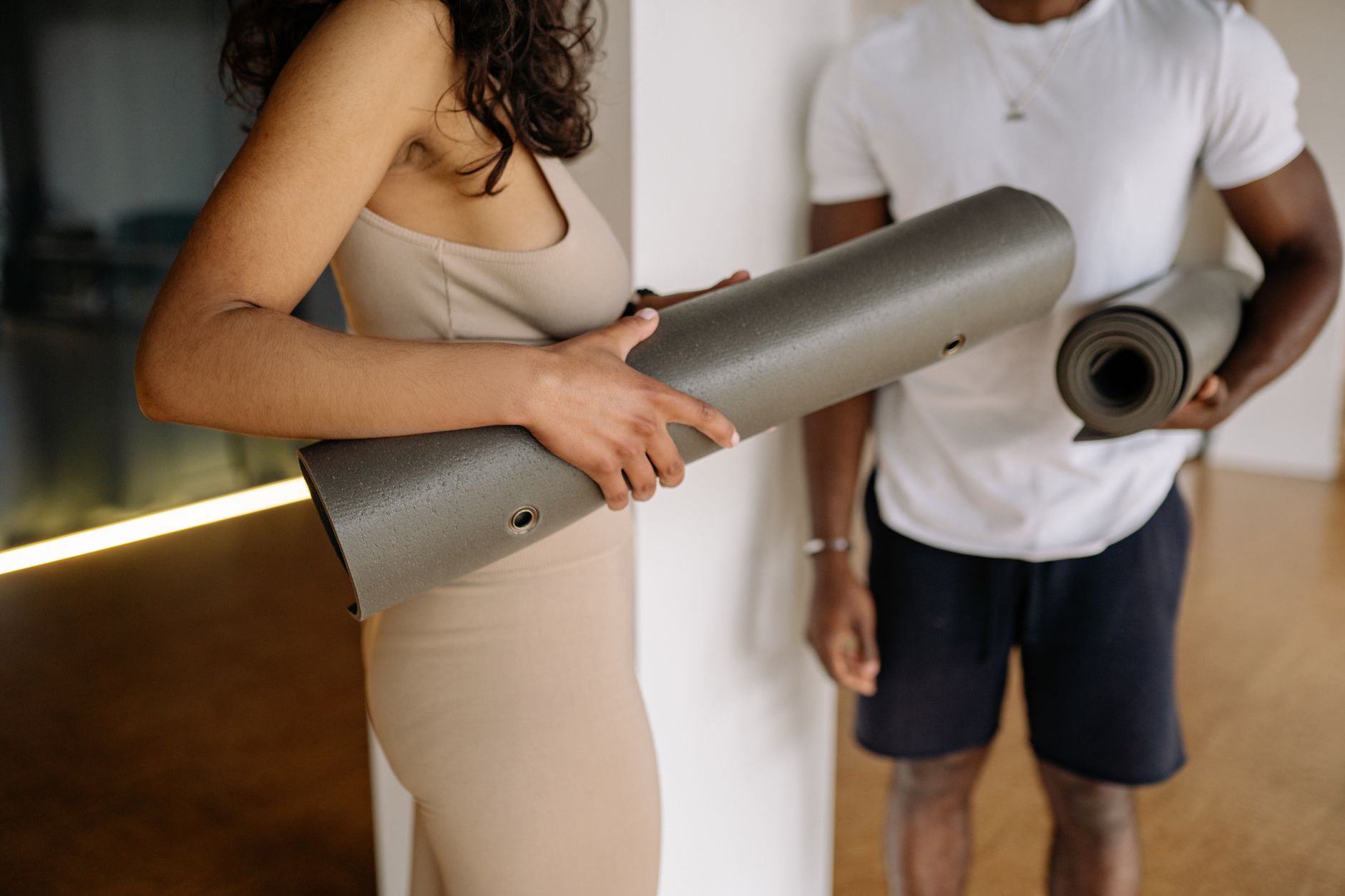
Modern yoga practitioners increasingly seek mats made from sustainable, non-toxic materials. Natural rubber, organic cotton, and biodegradable alternatives are now mainstream options that don’t compromise on performance. These materials perform brilliantly for your practice while respecting the environment. A mat made from natural rubber offers excellent grip that improves as you practice, while the cushioning remains responsive and durable. Many premium mats are also completely free from PVC and other harmful chemicals, making them safe for your skin and the planet. Choosing an eco-friendly mat means your daily wellness practice aligns with your environmental values.
The Difference Thickness Makes
Mat thickness typically ranges from one-sixteenth of an inch to one-quarter inch or more. Thinner mats, around 1.5mm, provide excellent ground connection and stability, making them ideal for balancing poses and power flows. Thicker mats, around 6mm or more, offer substantial cushioning for restorative practice and protecting sensitive joints. Most practitioners find that a 4-5mm mat strikes the perfect balance between support and stability. Your choice depends on your practice style, body sensitivity, and personal preferences—there’s no single correct thickness for everyone. Some people prefer the grounding feeling of a thinner mat, while others need extra padding to protect previous injuries or joint sensitivity. Testing different thicknesses at a studio before purchasing is ideal whenever possible.
Benefits of Investing in a Quality Yoga Mat
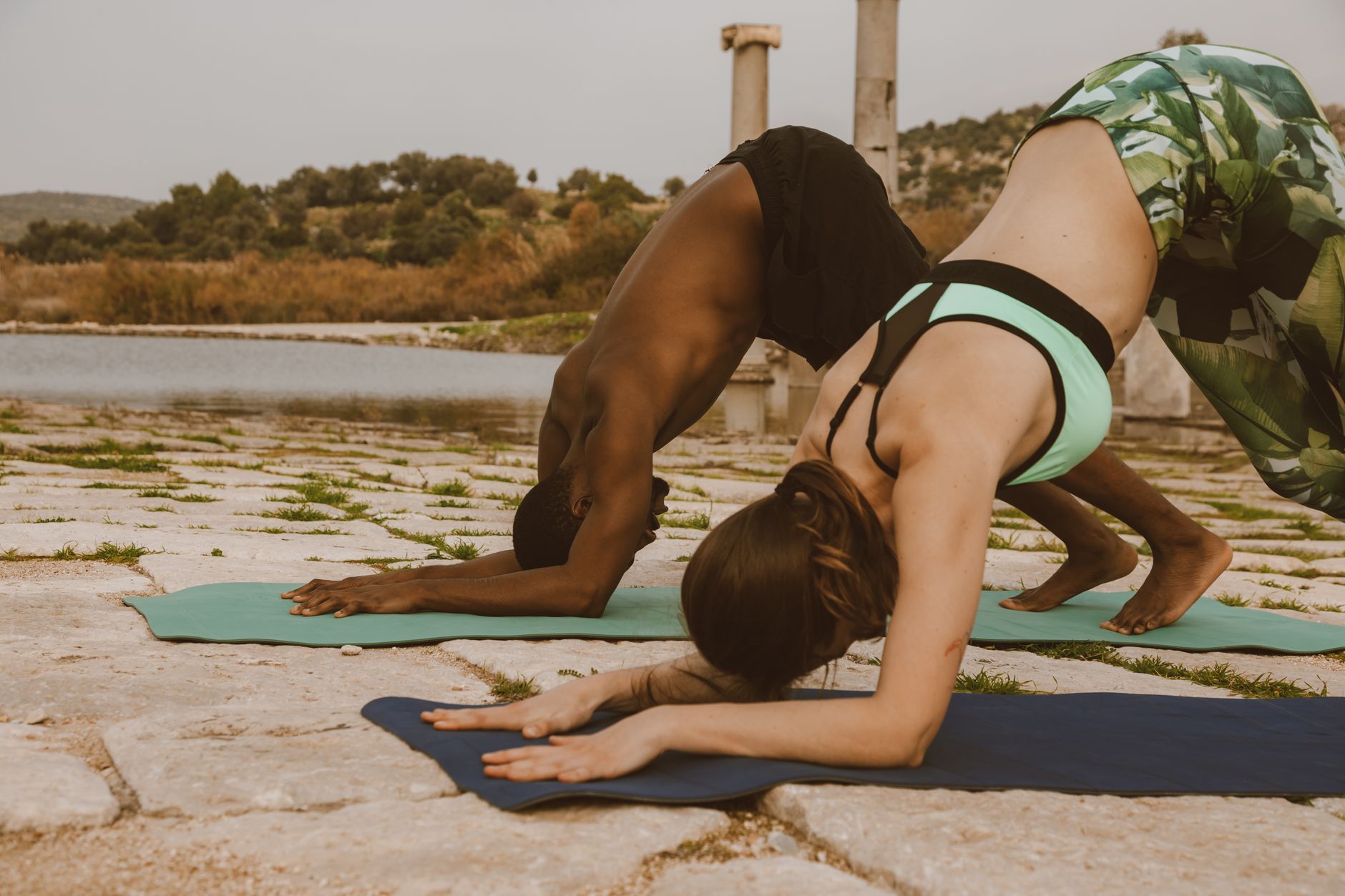
When you invest in a high-quality yoga mat, you gain benefits that extend far beyond physical comfort. A mat that feels good under your hands and feet creates positive associations with your practice space. You’re more likely to roll out your mat and practice regularly when it feels inviting and supportive. Additionally, premium mats last significantly longer than budget options, making them more cost-effective over time. You might replace a cheap mat every year, but a quality mat can serve you reliably for five years or more. The investment in a great mat often translates into increased practice frequency and deeper commitment to your wellness goals.
Choosing the Right Mat for Your Style
Different yoga styles benefit from different mat characteristics. Hot yoga practitioners need exceptional grip and moisture resistance, making natural rubber mats ideal. Gentle or restorative yoga practitioners prefer extra cushioning to protect joints during longer holds. Vinyasa flow practitioners need responsive mats that won’t slide during transitions. If you practice multiple styles, a versatile all-purpose mat is your best choice. Consider where you’ll practice too—a lightweight, compact mat makes sense if you’ll carry it to classes, while a thicker, more durable mat works better for home practice. Think about your studio environment as well, since heated rooms require different features than cool practice spaces.
Care, Cleaning, and Longevity
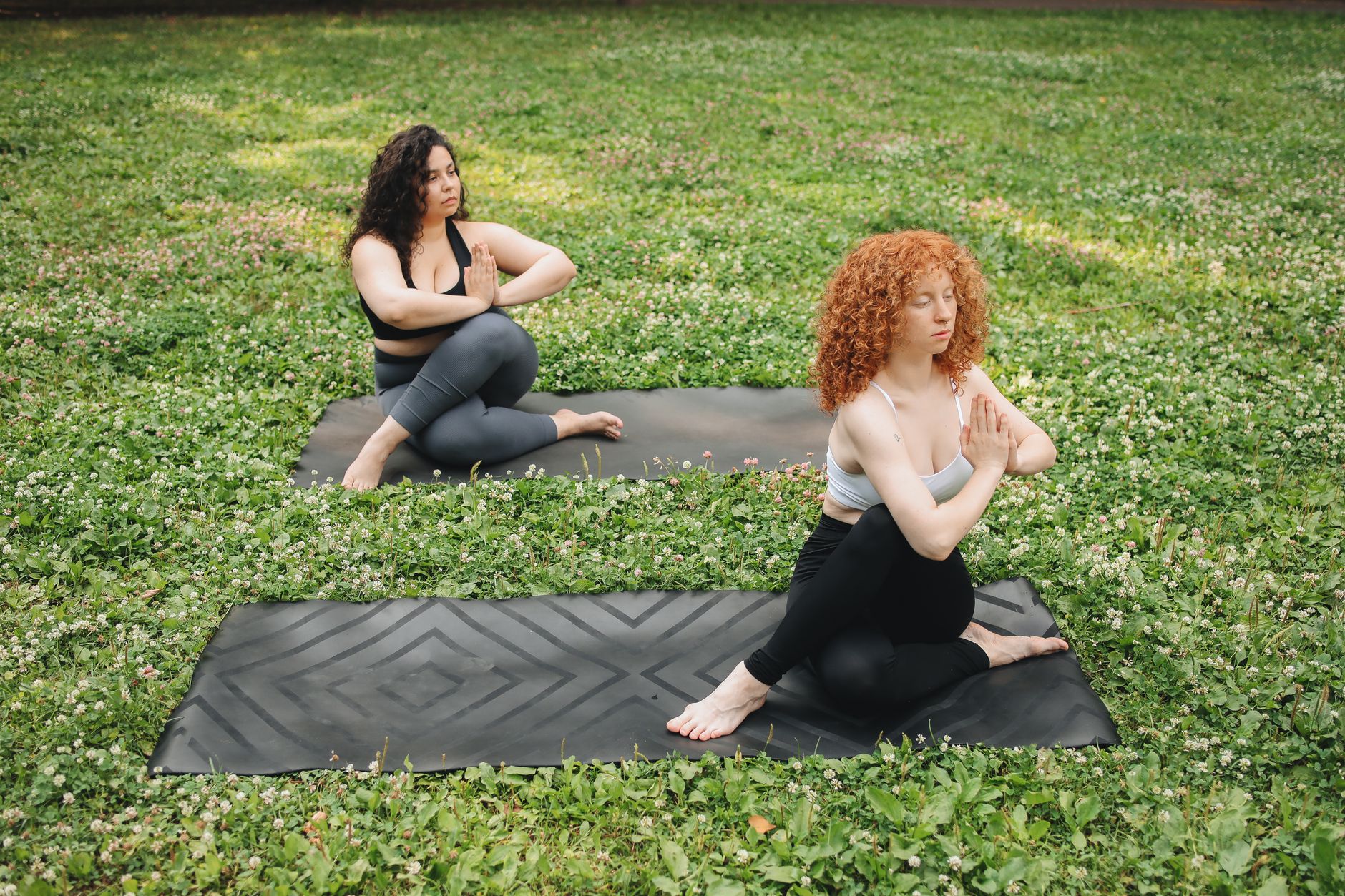
Proper maintenance extends your mat’s lifespan significantly. Most quality mats benefit from regular cleaning with mild soap and water or a specialized mat cleaner. Avoid harsh chemicals and intense direct sunlight, which can degrade natural materials. Store your mat rolled or flat in a cool, dry place away from heat sources. Some practitioners occasionally leave their mat outside to air dry naturally, which helps eliminate odors and moisture. With basic care, a premium yoga mat will maintain its grip, cushioning, and appearance for many years of dedicated practice. Investing a few minutes in regular maintenance pays dividends in extended mat life.
Key Features to Prioritize
- Non-slip surface that maintains grip even during active, sweaty practice sessions
- Non-toxic, eco-friendly materials that are safe for your body and the environment
- Appropriate thickness for your practice style and personal comfort level
- Lightweight enough to carry if you attend classes, but durable enough for daily use
- Excellent customer reviews and a warranty or guarantee from the manufacturer
A quality yoga mat is an investment in your health and wellness. Whether you’re starting your practice or deepening an existing one, choosing a mat that meets your needs will support you through countless sessions to come.
