
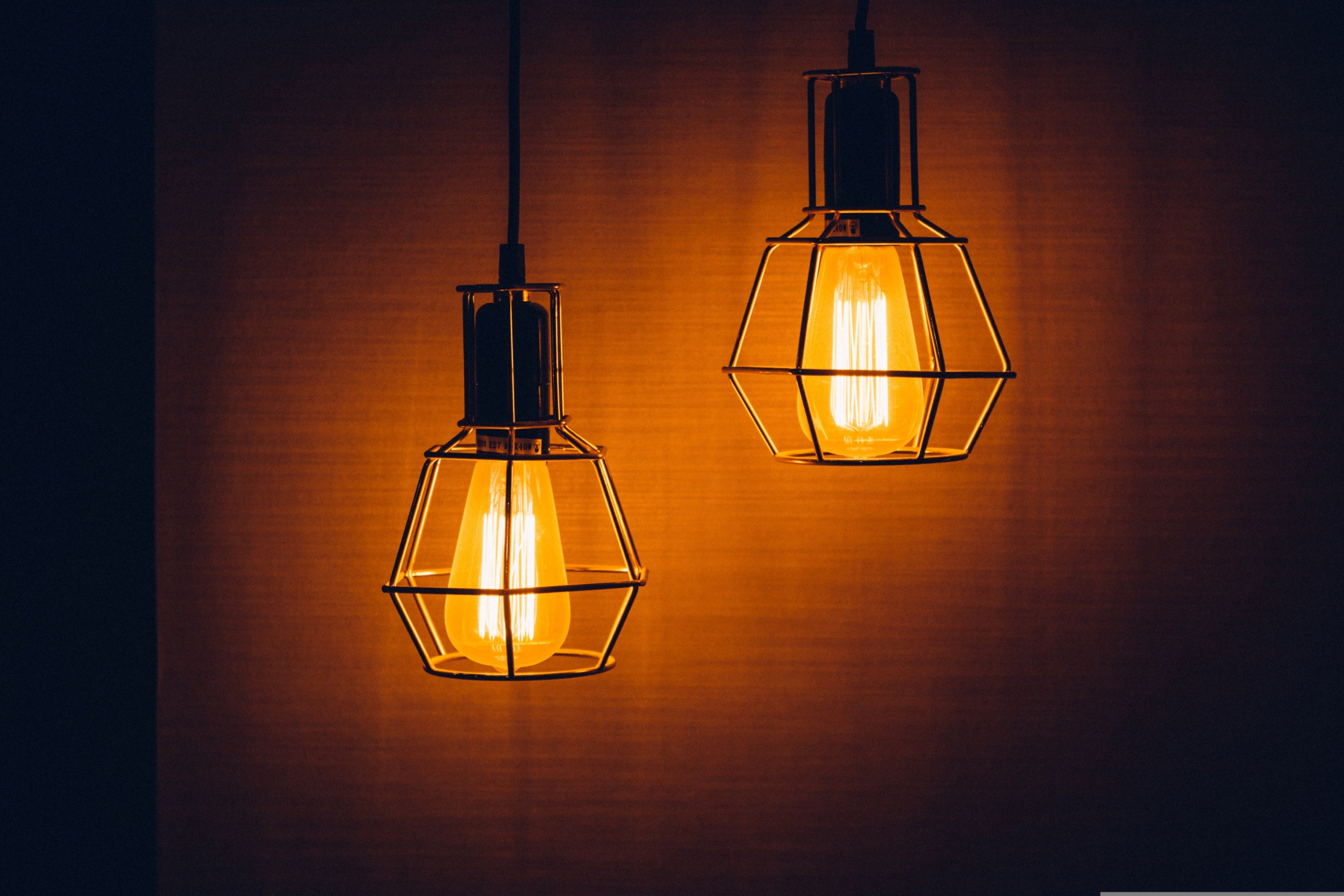
Light is infrastructure. It shapes how spaces function, how people move through them, and how they feel about the places they inhabit. Yet for most of human history, lighting was treated as a simple matter of switching something on or off. Modern lighting technology has evolved far beyond that simplicity. Lumenology represents a contemporary approach to lighting architecture—understanding light not as an isolated feature but as an integrated system where design, efficiency, intelligence, and purpose converge to create something greater than its individual components.
Understanding the Systems Architecture of Modern Lighting
Professional lighting architecture begins with understanding that every fixture is part of a larger ecosystem. Lumenology products exemplify this systems thinking by addressing multiple needs simultaneously. A fixture must deliver appropriate illumination, adapt to conditions, conserve energy, withstand environmental stress, and integrate with other elements in a space. This isn’t achieved through a single clever component but through intelligent design of the entire system. The housing protects internal electronics. The mounting mechanism supports safe installation. The light source produces specific color and intensity. The control system—whether motion sensing, timers, or remote control—determines when and how light activates. Each element serves the whole, with redundancy and fail-safes built throughout.
Decorative Integration and Aesthetic Architecture
Lighting cannot be purely functional and still be successful in human spaces. The visual appearance of a fixture shapes how people perceive an environment. Lumenology designs fixtures that balance technical performance with aesthetic integration. Decorative pendant lights showcase warm incandescent-style glows through geometric frameworks, creating visual interest while controlling light distribution. Indoor fixtures become design statements, chosen as much for how they look when off as for how they illuminate when on. This integration of form and function—sometimes called industrial design—represents a maturation beyond fixtures that hide their technology or exist purely as utilitarian blocks. The architecture includes consideration of visual harmony alongside technical specification.
Smart Control Systems and Adaptive Lighting
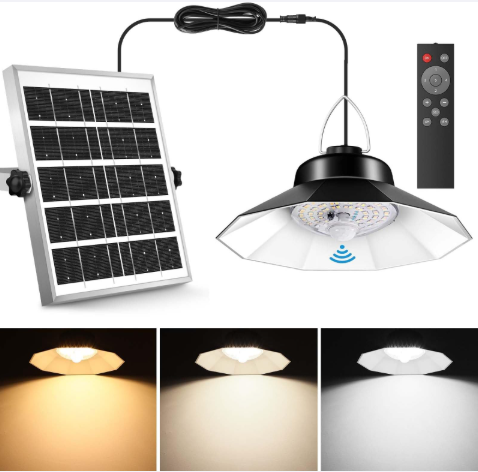
Intelligence in lighting means the system adapts without requiring constant manual intervention. Modern Lumenology fixtures incorporate multiple control options because different spaces have different requirements. Solar-powered units with remote control allow color temperature adjustment, shifting between warm yellow light for relaxation and cool white light for task work. Motion sensors activate lights only when presence is detected, eliminating the waste of continuously illuminated empty spaces. Timer functions override sensors during specific hours. This layered approach to control represents advanced systems architecture—users can override automatic behavior when needed, but the system defaults to efficient automated operation. The intelligence serves the people using the space rather than forcing people into the system’s constraints.
Energy Efficiency Through Integrated Design
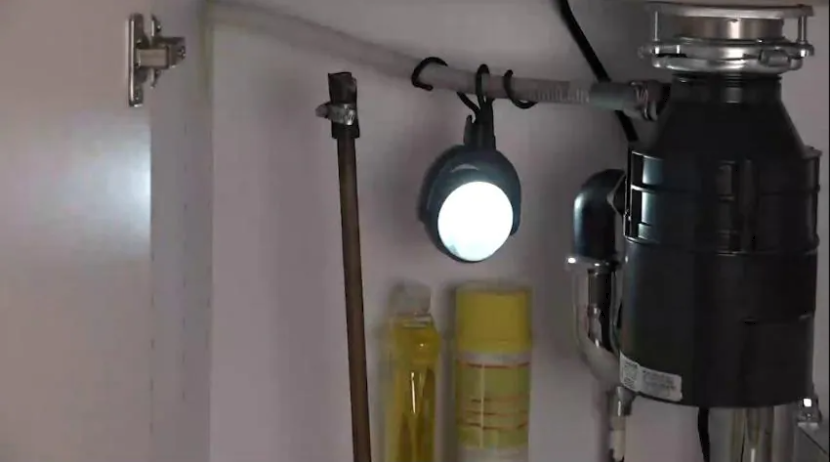
Efficiency emerges from architectural choices made throughout the system, not from a single component. LED technology forms the foundation, consuming a fraction of the power of traditional light sources. Solar power integration eliminates the need for constant electrical input where weather permits. Motion sensing ensures lights activate only during necessary moments. Color temperature control prevents wasting energy on overly bright illumination when less intensity suffices. Lumenology fixtures combine these approaches, creating systems where efficient operation is the natural consequence of thoughtful design rather than an additional burden on users. An outdoor motion-activated light running on solar power and LED source might consume one-fifth the energy of a traditional always-on fixture, yet deliver superior illumination exactly when needed.
Application Architecture for Different Spaces
Effective lighting architecture adapts to where it’s deployed. Indoor decorative fixtures serve different purposes than outdoor security lights. Lumenology addresses this variety through modular design principles. Pendant lights suit interior spaces where aesthetics matter as much as illumination. Solar-powered units with color adjustment serve patios and gardens. Motion-sensor outdoor fixtures provide security and convenience. The underlying architectural principles—efficiency, reliability, purposeful design—remain constant across applications, but the specific implementation adapts to context. A homeowner can select fixtures matched to specific needs rather than forcing a one-size-fits-all approach across diverse spaces.
Durability and Longevity in System Design
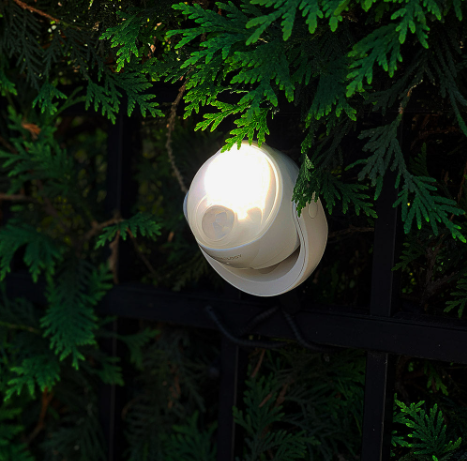
Lasting architecture requires materials and engineering that withstand time and environment. Outdoor fixtures face UV exposure, temperature fluctuations, moisture, and weather stress. Lumenology products employ UV-resistant housings, sealed electrical connections, and corrosion-resistant materials. This durability extends system lifespan, reducing replacement frequency and associated waste. LED technology contributes by offering extended operational life compared to incandescent or halogen sources. The result is lighting architecture that persists for years with minimal maintenance, reducing the overall environmental and economic cost. Planning for longevity—choosing materials and designs that age well—represents a mature approach to technology architecture that considers the full product lifecycle.
- Systems architecture integrates light source, housing, controls, and aesthetics into coordinated wholes.
- Intelligent control adapts to conditions and user needs without constant manual intervention.
- Energy efficiency emerges from combined design choices rather than from any single component.
- Modular design allows matching fixtures to specific applications and spaces.
- Durable materials and engineering extend system lifespan and reduce replacement costs.
The architecture of light evolves as technology matures and understanding deepens. Modern lighting systems like those offered through Lumenology reflect decades of progress in LED efficiency, sensor technology, materials science, and design thinking. They demonstrate that lighting is no longer simply a matter of brightness and switch placement, but an integrated architectural decision that shapes both the efficiency and the experience of the spaces we inhabit.
